Online Gambling in Malaysia has become a topic of significant interest, blending the thrill of gaming with ongoing legal debates and technological advancements. As the digital era accelerates, many Malaysians are turning to online platforms for entertainment and potential winnings. This comprehensive article provides an in-depth analysis of the current state, legal landscape, technological trends, and future prospects of online gambling in Malaysia, offering valuable insights for enthusiasts, regulators, and industry players alike.
The Current State of Online Gambling in Malaysia – Popular Platforms and User Engagement
Online Gambling in Malaysia has seen rap

id growth over recent years, fueled by increased internet penetration, smartphone usage, and the allure of lucrative opportunities. Despite strict regulations, a considerable number of Malaysians participate in online gambling activities through various platforms, many of which operate in a gray legal area.
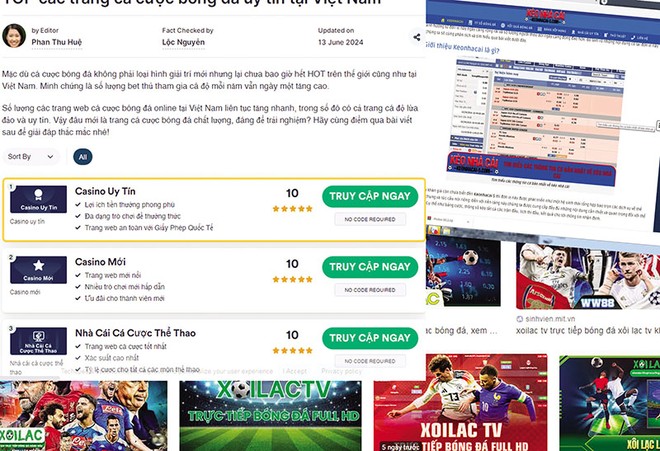
Malaysian players tend to favor online sports betting, casino games, and lottery-style activities due to their accessibility and convenience. Popular international platforms often serve as the preferred choices because of their variety, user-friendly interfaces, and payout reliability. However, this has also raised concerns regarding consumer protection, fraud, and the integrity of operators involved.
The engagement level among Malaysian users is notably high, with many viewing online gambling as a form of entertainment rather than a means to make money. Social media, forums, and online communities actively share tips, strategies, and reviews, creating a vibrant digital ecosystem that fosters a strong gambling culture despite legal ambiguities. This unregulated yet thriving market underscores the demand and the challenges regulators face in managing online gambling activities effectively.
The Impact of Smartphone Penetration and Internet Accessibility
The widespread adoption of smartphones has significantly contributed to the increase in online gambling activities in Malaysia. With over 80% of the population owning a smartphone, accessing gambling platforms becomes as easy as a few taps. This convenience removes geographical barriers and encourages spontaneous participation, especially among youth and urban dwellers.
Enhanced internet infrastructure, particularly in major cities like Kuala Lumpur, Penang, and Johor Bahru, further facilitates seamless online gambling experiences. Higher bandwidth ensures smooth gaming sessions, live betting, and instant transactions, which are vital for maintaining user engagement.
Moreover, Malaysian users tend to prefer online gambling sites that offer mobile compatibility, quick deposits and withdrawals, and multiple payment options. Cryptocurrency transactions are also gaining traction as alternative methods, driven by the desire for privacy and speed. Despite the legal gray areas, these technological innovations support the growth of online gambling in the country.
Challenges in Regulating Online Gambling Activities
Regulators in Malaysia face a complex challenge of balancing moral, legal, and economic considerations. The Betting Act 1953 and Remote Gambling Act 1999 explicitly prohibit most forms of online gambling, categorizing them as illegal. Nevertheless, the proliferation of unlicensed platforms continues unabated due to high demand and limited enforcement capabilities.
Government agencies, such as the Royal Malaysian Police and the Malaysian Communications and Multimedia Commission, conduct periodic raids and block access to dubious sites. However, operators often shift to offshore servers, making enforcement difficult. This cat-and-mouse game means that many Malaysians still access illegal gambling sites with relative ease.
The lack of a formal regulatory framework for online gambling also creates issues for consumer protection, unfair practices, and black-market revenues. The absence of licensing and oversight leaves players vulnerable to scams, hacking, and loss of funds. Consequently, the government faces intense debate over whether to legalize and regulate online gambling to harness economic benefits and protect consumers better.
Potential Economic Impacts and Social Concerns
The illegal online gambling industry contributes significantly to Malaysia’s black economy, with estimated billions of ringgit changing hands annually. Taxation and regulation could transform these illicit revenues into formal ones, boosting national income and creating jobs in the tech and security sectors.
However, concerns over gambling addiction, financial hardship, and social disintegration are valid and often cited by opponents of legalization. Responsible gambling initiatives, awareness campaigns, and support services are crucial components in mitigating adverse social impacts.
The government’s approach involves striking a balance—regulating the industry to control its growth and protect consumers while curbing illegal operations. Initiatives like legal online sports betting, under strict licensing conditions, illustrate this middle ground approach.
Legal and Regulatory Framework Surrounding Online Gambling in Malaysia

The legal landscape for online gambling in Malaysia is complex and somewhat ambiguous. Existing laws primarily aim to prohibit remote betting activities, but enforcement varies, and legislative gaps have allowed illicit online gambling to flourish. This section explores the current regulations, recent attempts at reform, and possible future legal developments.
While traditional land-based casinos are outright banned, online gambling remains in a grey zone. The key legislation, such as the Betting Act 1953 and the Common Gaming Houses Act 1953, explicitly criminalize most gambling activities unless specifically licensed.
Existing Laws and Their Limitations
The Betting Act 1953 criminalizes bookmaking and betting operations, including online sports betting. However, the act does not clearly define or explicitly address internet-based gambling, leading to loopholes that operators exploit. The Communications and Multimedia Act 1998 further criminalizes the dissemination of illegal content, including betting sites.
This legal ambiguity results in inconsistent enforcement—some operators and players face prosecution, while others operate relatively freely through offshore servers. The lack of a dedicated regulatory authority focused strictly on online gambling further complicates governance efforts.
Recent Legislative and Policy Moves
In recent years, policymakers have acknowledged the necessity of revisiting online gambling controls. Discussions around legalizing and licensing online sports betting to generate revenue and reduce illegal activities have gained momentum.
The proposal to establish a regulatory body similar to the UK Gambling Commission could help formalize the industry, ensure consumer protection, and establish a framework for responsible gambling. Some stakeholders advocate for a controlled legalization, emphasizing taxation and economic growth, while others remain wary of social risks.
International Influences and Best Practices
Malaysia can look to jurisdictions like Singapore, the UK, and Australia, which have successfully established legal frameworks regulating online gambling. Implementing licensing regimes, stringent criteria for operators, age restrictions, and responsible gambling measures can help Malaysia create a sustainable, lawful industry.
International cooperation on enforcement and sharing intelligence can also help suppress illegal offshore operators. Cross-border collaboration is critical given the global nature of online gambling and its associated risks, including money laundering and fraud.
| Aspect | Details |
|---|---|
| Legal Status | Mostly illegal, gray zone for offshore and unlicensed operators |
| Regulatory Bodies | No dedicated agency; enforcement by police and communications authorities |
| Recent Moves | Discussions on legalization, licensing, and international standards adoption |
| Challenges | Enforcement difficulties, legal ambiguities, social risks |
The Future of Online Gambling in Malaysia – Trends, Innovations, and Outlook
The trajectory of Online Gambling in Malaysia hinges on technological innovation, regulatory changes, and societal attitudes. While current regulations suppress formal industry growth, evolving technology and economic incentives could reshape the landscape.
Emerging trends include the integration of blockchain, cryptocurrency, and AI-driven platforms that could revolutionize user experience, security, and transparency. Such innovations might entice regulators to revisit the legal framework, particularly if economic benefits outweigh social risks.
Technological Advancements Shaping the Industry
The adoption of blockchain technology offers transparency and security, which can mitigate fraud and protect players. Cryptocurrency transactions provide anonymity and faster payments, appealing to Malaysian gamblers wary of traditional banking restrictions.
Artificial intelligence and machine learning enhance security, fraud detection, and personalizing gaming experiences. Live dealer casino apps, virtual sports, and eSports betting are expanding options for tech-savvy users.
These advancements pose regulatory challenges but also opportunities, as they encourage Malaysia to develop more sophisticated, responsible frameworks for online gambling.
Economic Potential and Challenges of Legalization
Legalizing online gambling with robust regulation could boost Malaysia’s economy through taxation, licensing fees, and job creation in tech and compliance sectors. It could also reduce illegal gambling activities by providing a safer, licensed alternative.
However, social concerns persist, especially around gambling addiction and youth access. Implementing responsible gambling measures, public awareness, and strict age verification systems are necessary safeguards.
Striking a balance between economic gains and social safeguards will define Malaysia’s future policy in this sector.
Societal Attitudes and Cultural Factors
Gambling remains a sensitive subject influenced by cultural, religious, and moral considerations in Malaysia. The Muslim-majority population views gambling as prohibited under Islamic law, which significantly influences policy.
Nevertheless, non-Muslim communities are more accepting of regulated gambling activities. Public discourse may shift as economic pressures mount and technology makes online gambling more accessible.
Community acceptance and social responsibility will be crucial in shaping the future regulatory environment, requiring open dialogue among policymakers, religious leaders, and civil society.
FAQs on Online Gambling in Malaysia
Is online gambling legal in Malaysia?
Online gambling is generally illegal under Malaysian law, but enforcement is inconsistent. Many players access offshore sites, which are not officially regulated by local authorities.
Can I safely gamble online in Malaysia?
Legal online gambling options are limited, and accessing unlicensed sites carries risks such as fraud, hacking, and financial loss. Players should exercise caution and consider legal avenues if available.
Will Malaysia legalize online gambling?
There are ongoing discussions about regulating and legalizing online gambling, especially online sports betting, to harness economic benefits and curb illegal activities. The future legal status remains uncertain.
What are the penalties for illegal online gambling?
Engaging in illegal online gambling can lead to fines, imprisonment, and confiscation of devices. Operators and facilitators face harsher penalties, including criminal charges and shutdowns.
How is technology impacting online gambling in Malaysia?
Advances like blockchain and AI are improving security, transparency, and user experience, pushing the industry toward modernization. These innovations may influence future regulatory reforms and industry practices.
Conclusion
Online Gambling in Malaysia navigates a complex landscape marked by high user engagement, technological innovation, and a predominantly restrictive legal environment. While current laws prohibit most online betting activities, ongoing debates focus on how best to regulate the industry for economic growth while safeguarding societal interests. The future of online gambling in Malaysia depends on balancing technological advancements with responsible regulation, societal acceptance, and international cooperation. As Malaysia considers reforms, it stands at a crossroads—either maintaining the status quo or embracing a evolving digital gambling ecosystem that could redefine the country’s gaming culture and economy.
Key search Search: Online Casino Malaysia, Casino Online Malaysia, Malaysia Online Casino, Malaysia Casino Online, trusted online casino Malaysia, trusted casino online Malaysia,
citinow, citinow Malaysia
.jpg)



















/https://admin.vuahanghieu.com/upload/news/content/2022/06/web-ban-my-pham-uy-tin-nhat-hien-nay-2-jpg-1656485968-29062022135928.jpg)